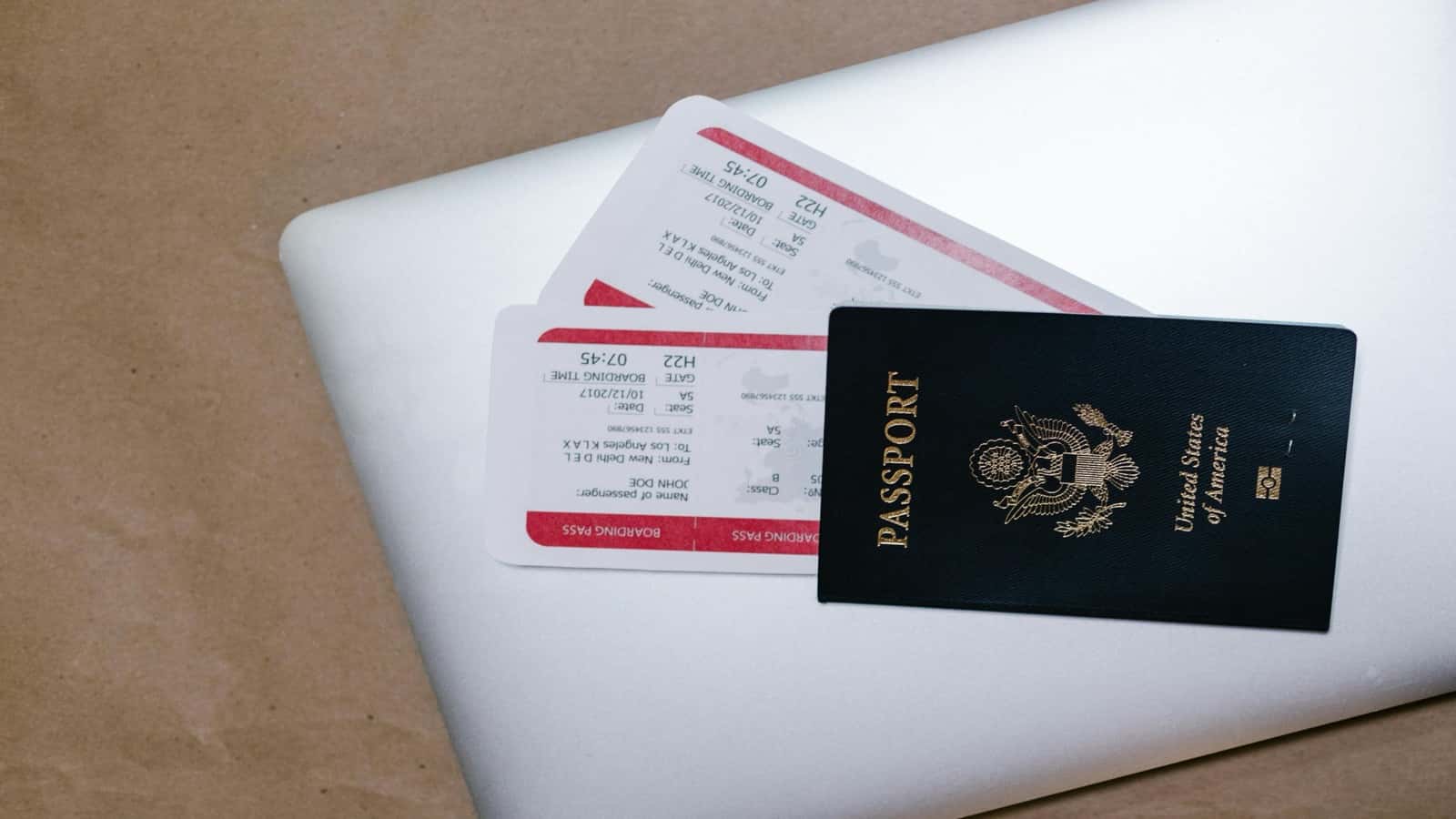
There is no single magic day to book a flight. There is, however, a well-documented window that beats both early-bird and last-minute pricing on average across millions of tickets, plus a few day-of-week patterns that actually hold up to scrutiny. The internet is full of confident folklore — "book on Tuesday at 3 PM" — that has been thoroughly debunked. The real data is less catchy and more useful.
How we evaluated
This piece pulls from four public sources. The Airlines Reporting Corp's annual booking-window study, which analyzes millions of real ticket transactions across the US travel industry. Google Flights' historical price tracking and date-grid view, which surfaces day-of-week and lead-time pricing variation for any specific route. KAYAK's published Price Forecast accuracy claims for its directional buy-now-or-wait recommendations. And r/travel and r/awardtravel community threads, where the same handful of strategies surface in every "when should I book" question. No insider tools, no proprietary data sets — just the public record.
The verdict
The data earns a Worth-It Score of 7.5 as a guideline. Following the booking-window patterns will, on average across a year of trips, save real money — but variability by route, season, and event makes it a strong guideline rather than a formula. The travelers who get the most out of this are leisure travelers with flexible planning horizons of 1-4 months out who can shift dates by a day or two when the price-grid view rewards it. The strategy underperforms when you have inflexible dates around peak holidays.
The evidence
The booking-window math
The Airlines Reporting Corp's annual study, which analyzes millions of issued tickets, has consistently identified the same windows: domestic US flights are cheapest on average when booked roughly 6 weeks before departure (with a usable range of about 4-8 weeks), and international flights are cheapest on average when booked roughly 3 months before departure (with a usable range of about 2-5 months). Booking too far out — beyond about 6 months for international — captures pre-release inventory at higher initial prices. Booking inside the 14-day window pushes you into refundable-fare-style pricing on most carriers, with very few exceptions.
The Tuesday/Wednesday departure pattern
This one holds up. Google Flights historical pricing consistently shows Tuesday and Wednesday departures averaging 12-15% cheaper than Friday and Saturday departures on the same routes. The mechanism is straightforward: business travelers create Monday-morning and Thursday/Friday-evening demand, leisure travelers create Friday-Saturday demand, and the middle of the week sees a real demand trough. Independent analysis from Google Flights' own published trends pages indicates this pattern is most pronounced on routes between major business hubs and weakest on pure leisure routes.
The Tuesday booking myth — debunked
The folklore that "Tuesday at 3 PM is the cheapest time to book" has been examined and dismissed in ARC's analysis. The day you click the buy button matters far less than how far out from departure you click it. Airlines do periodically launch sales mid-week, but the price effect is small and inconsistent compared to the booking-window effect. The takeaway from the data is to stop trying to time the click and start trying to time the lead time.
Price-prediction tools and what they're worth
KAYAK's Price Forecast tool publishes a roughly 68% directional accuracy rate on its buy-now-vs-wait calls — meaning across the routes where it offers a recommendation, it gets the direction right about two-thirds of the time. That's better than coin flip but well short of certainty, and it makes the tool useful for nudging a decision rather than making it. Hopper publishes similar directional accuracy numbers for its price-prediction product. Community consensus on r/travel has converged on a sensible synthesis: use these tools to confirm the rough direction, not to chase the absolute bottom.
What community consensus has converged on
The r/travel and r/awardtravel response to "when should I book" has been consistent for years: set a price alert on Google Flights for your route as early as you have an idea of the trip, watch for 1-2 weeks to learn the route's normal price range, then book when the price hits the lower part of that range — even if you're not at the textbook 6-week window. The dominant advice is "set a price alert, don't try to time it perfectly." This works because route-specific variability dwarfs the average booking-window effect on any individual trip.
Where last-minute deals are real
Last-minute pricing is unreliable as a strategy but real on specific subsets. Off-peak European routes (October-March, ex-holiday) sometimes drop in the final two weeks as airlines try to fill seats. Airline mistake fares — published prices that are clearly errors — surface throughout the year and are the basis for services like Going (formerly Scott's Cheap Flights). Both are bonuses, not plans.
Who it's best for
For: Leisure travelers with flexible planning horizons
The 6-week domestic / 3-month international window is built for travelers who can plan ahead and shift dates. Use Google Flights' date-grid view to see where the cheap days are, then commit when the price hits the lower band of normal.
For: Budget travelers optimizing for price
Setting price alerts on 2-3 origin-destination combinations and watching for 2 weeks before any trip teaches you the actual price range for your routes. That route knowledge beats any general rule.
For: Business travelers with advance notice
If you have 4+ weeks of lead time, the booking-window math applies to you too. The 12-15% Tuesday/Wednesday departure premium is also worth grabbing when your meeting calendar permits.
What it doesn't beat
The booking-window data doesn't beat dedicated deal services on specific high-savings trips. Going's free tier sends mistake fares and route-specific sales that can produce $300-500 savings on a single trip — savings the booking-window math will never produce on its own. The data also doesn't beat date flexibility. If you're locked to specific holiday dates, no booking strategy will save you from holiday pricing. The strategy is a tailwind, not a magic bullet.
Verdict
The Verdict
Historical Booking-Window Strategy for Flights
Best For
Leisure travelers planning 1-4 months out with some date flexibility
Beats
Booking 6+ months out blind, or panic-booking inside 14 days
Doesn't Beat
Mistake-fare alerts on specific trips, or having genuine date flexibility around peak holidays
Based on 3 data sources · Last verified April 10, 2026
Sources
- Airlines Reporting Corp annual booking-window study (pricing-data) — millions of ticket transactions
- Google Flights historical price tracking and date-grid view (pricing-data) — public route-level price data
- KAYAK Price Forecast methodology and accuracy disclosures (independent-test) — published 68% directional accuracy
- r/travel and r/awardtravel community threads (community-consensus) — converging price-alert and date-flexibility advice